Single Malt vs Blended Whisky: Understanding the Key Differences
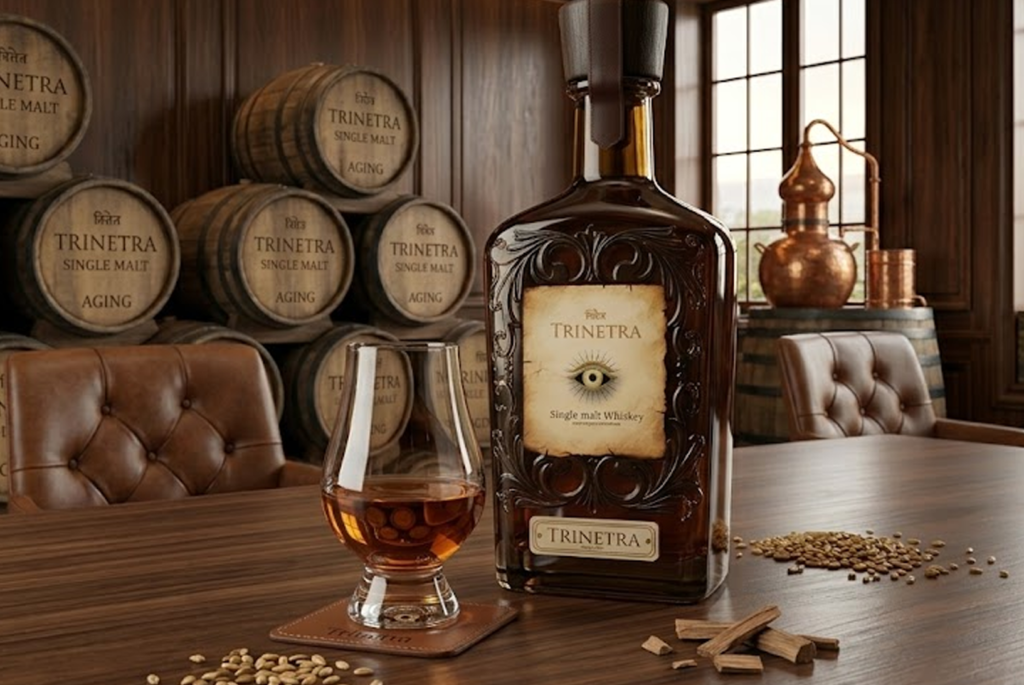
It is common to get entangled in the debate regarding single malt vs blended whisky when you try different types of whiskies. Both offer unique tastes, while their production methods and flavor profiles create distinct characteristics. Therefore, learning the distinction between them will help you make an informed choice between these two types of whiskies. Besides, due to the increasing popularity of premium Indian whiskies, you can actually understand the true essence of a single malt whisky in Trinetra Single Malt Whisky.
Why You Should Differentiate Between Single Malt And Blended Whisky
Like all choices involving alcoholic drinks, you should understand your options when choosing the right type of whisky. Therefore, knowing how single malt and blended whisky differ will help buyers choose the appropriate drink according to their needs.
What Constitutes a Single Malt Whisky?
To identify a single malt whisky, you need to know that one distillery must produce it entirely from malted barley. Besides, distilleries manufacture these whiskies to highlight their uniqueness and showcase the influence of the aging process on their products.
Production Process Difference between Single Malt and Blended Whiskies
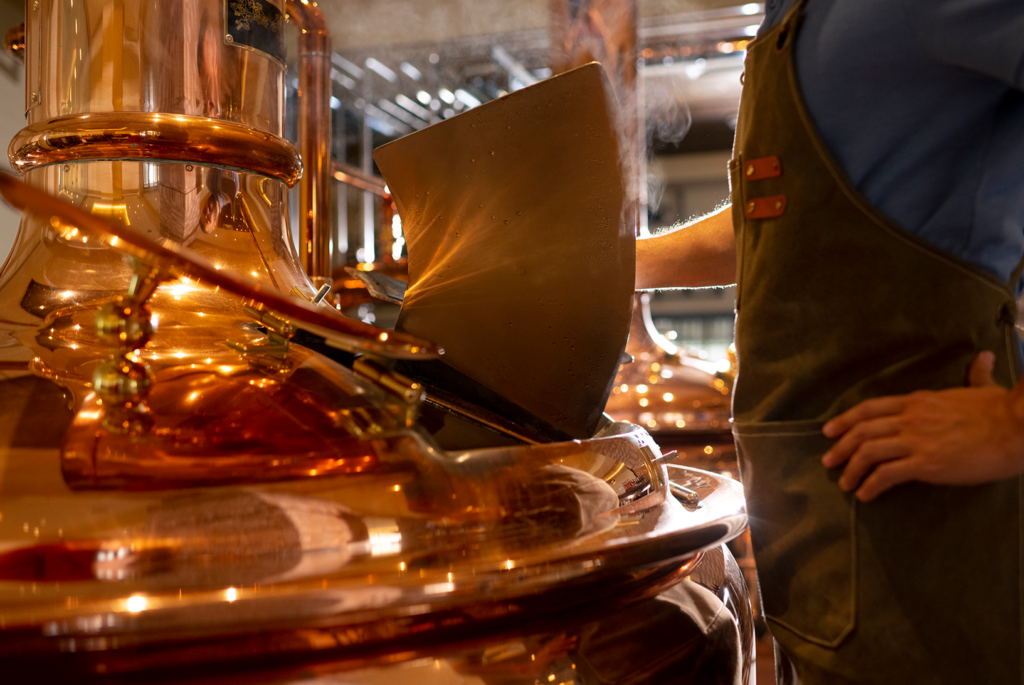
The production process creates the first major difference between single malt and blended whisky. Distilleries produce single malt whisky at one distillery, while master blenders create blended whisky by mixing whiskies from various distilleries. Besides, master blenders usually try to make their product consistent and uniform by blending. At the same time, single malts focus on individuality and uniqueness. Hence, production processes significantly affect the final taste.
Difference in Flavor between Single Malt and Blended Whiskies
Taste is definitely one of the main distinguishing features of different types of whisky. Usually, single malt whiskies have several layers of aroma and texture, which make their taste more complicated. At the same time, blended whiskies tend to be smoother. What is more, single malts can have fruity, spicy, malty, or oaky tastes. Many whisky fans value complexity of top brands like Trinetra Single Malt Whisky.
Complexity in Single Malt or Blended Whisky: Which is More Complex?
Complexity is one of the attributes associated with the premium whisky experience. For this reason, when debating single malt or blended whisky, most consumers focus on the complexity aspect. Single malt whisky usually offers more complexity because the distillery gives it a distinctive identity. Nevertheless, blends can be very balanced and harmonious. The end result is that the winner largely comes down to personal preference.
Role of Maturation in Whisky Characteristics
Maturation is a crucial part of whisky-making which influences the final product. During maturation, whisky develops its aroma, flavor, and mouthfeel as it interacts with wood. In addition, climatic factors may affect maturation rate and characteristics. This process gives premium single malts unique characteristics.
Comparison between Single Malt and Blended Whisky for Various Types of Whisky Enthusiasts
Different groups of whisky enthusiasts appreciate different types of whisky. In fact, Novices often prefer more accessible and balanced varieties, while aficionados may seek something more complex and unique. That is why knowledge about the difference between single malt and blended whisky will help one choose easily according to their preference.
How Trinetra Single Malt Whisky Is the Essence of Quality Craftmanship
Since there is a constantly growing demand for premium Indian whiskies, people today look for authentic products of high quality standards. This is why Trinetra Single Malt Whisky uses high-quality craftsmanship and premium ingredients to deliver an exceptional whisky experience. Furthermore, it also embodies everything that people expect from a high quality single malt whisky.
Conclusion
It can be concluded that whether to prefer single malt whisky or blended whisky depends on an individual’s choice, because while one is concerned about being unique and having individuality and craftsmanship, the other emphasizes consistency and balance. Each type of whisky contributes its own unique character to the broad world of whisky. But If you want a truly unique single malt experience, Trinetra Single Malt Whisky might be the right choice, Trinetra Single Malt Whisky might be the right choice.